Predictive Cadence
Replacing filters, resealing thresholds, and checking drainage grates before wet European winters hit beats fielding urgent tenant calls on Monday mornings every time.
Commercial property care is rarely about firefighting emergencies after drywall crumbles or HVAC units cough their last breath. It is the quiet discipline of proactive cleaning, structured inspections, orderly maintenance schedules, and steady oversight that preserves tenant satisfaction and long-term asset value.
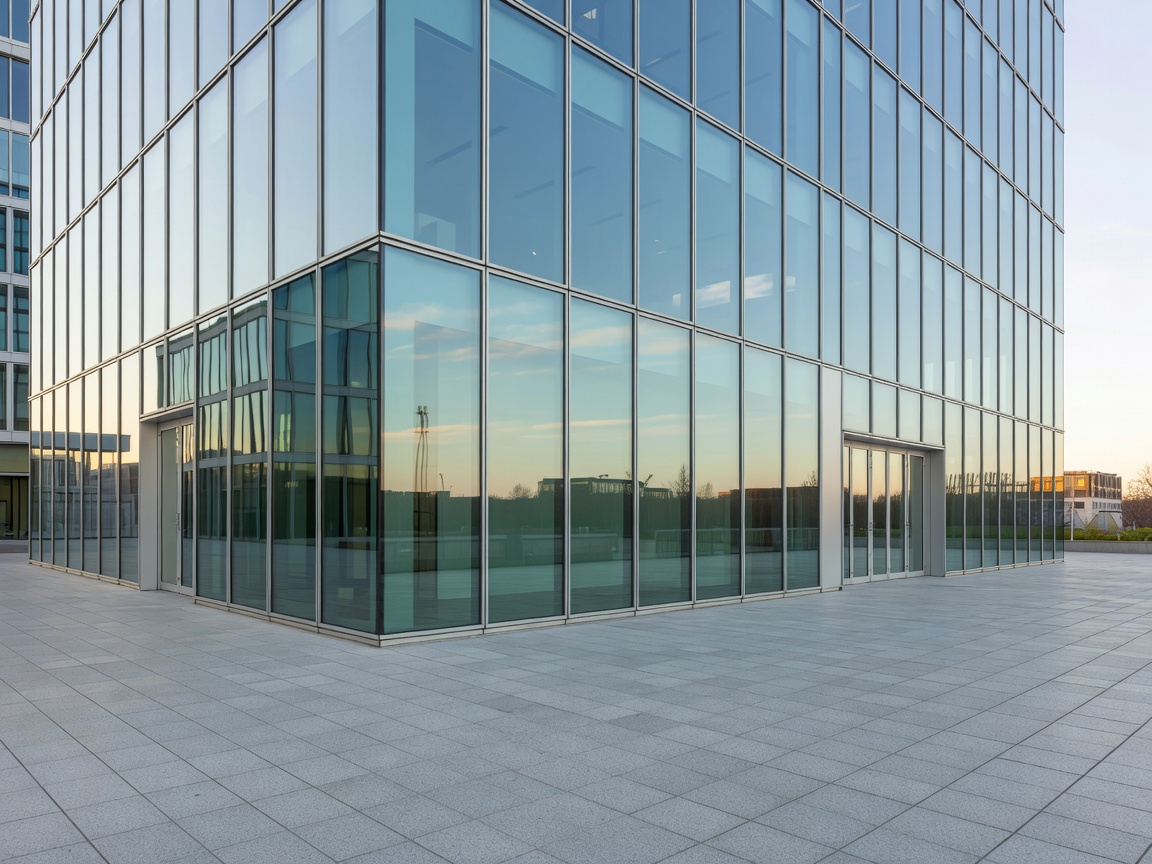
A well-run building operates like a quiet mechanical watch. The occupants notice natural light, pristine shared spaces, and effortless airflow—never the complex schedules humming behind the scenes.
Replacing filters, resealing thresholds, and checking drainage grates before wet European winters hit beats fielding urgent tenant calls on Monday mornings every time.
Commercial assets shed value quickly when minor exterior spalling, limestone stains, or high-traffic floor wear go unaddressed for consecutive quarters.
Instead of juggling seven disparate trade invoices, an integrated service framework aligns window cleaning, mechanical checks, and sanitization routines under unified supervision.
We organize day-to-day operations into five clear, interdependent operational pillars.
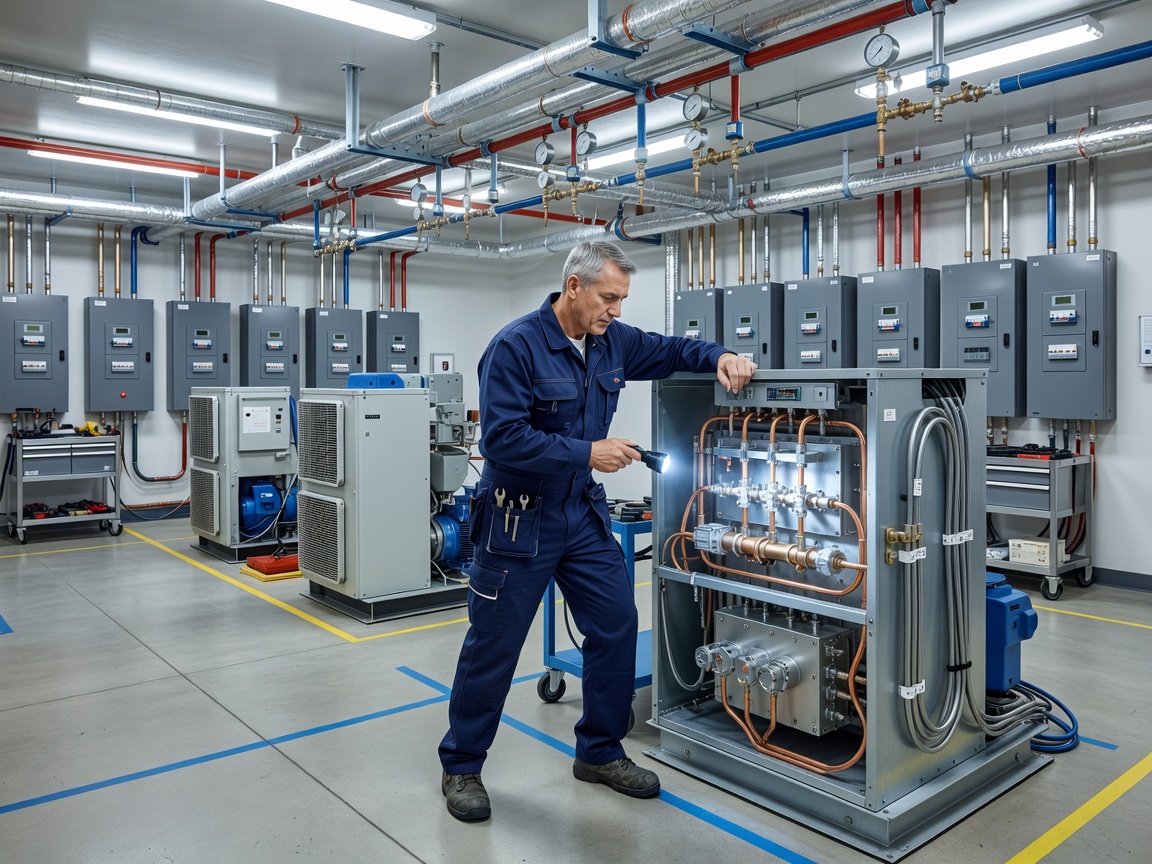
From exterior masonry stability to interior mechanical wear, structured upkeep avoids the eye-watering costs of sudden systems failure. Learn how preventative protocols insulate building managers from operational downtime.
Explore Maintenance Frameworks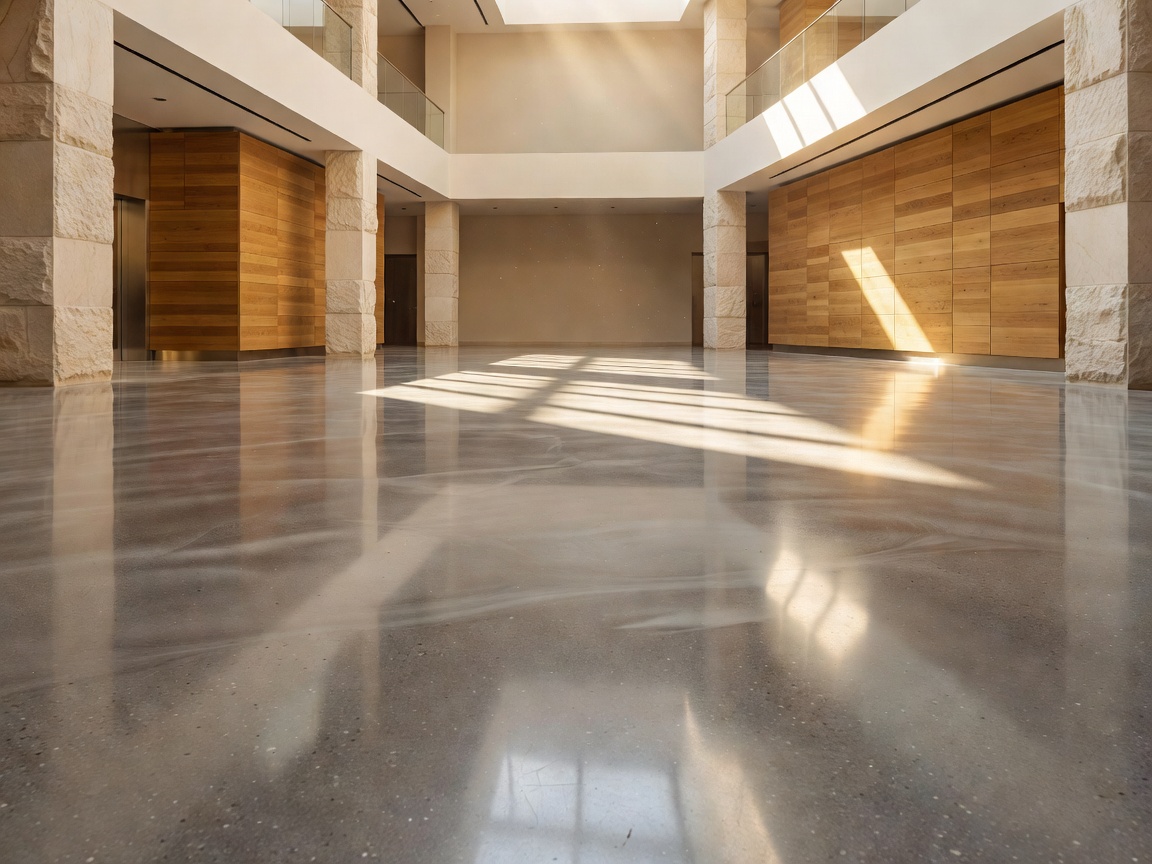
Commercial hygiene in offices, tech hubs, and corporate atriums goes far beyond emptying paper waste. It requires calibrated dwell times, surface-specific stone care, and silent scheduling that respects daily working hours.
Read Cleaning Systems Guide
Bridging the gap between asset owners, leaseholders, and specialized contractors. Transparent logs, respectful escalation protocols, and consistent communication ensure operational continuity year-round.
Review Management Operations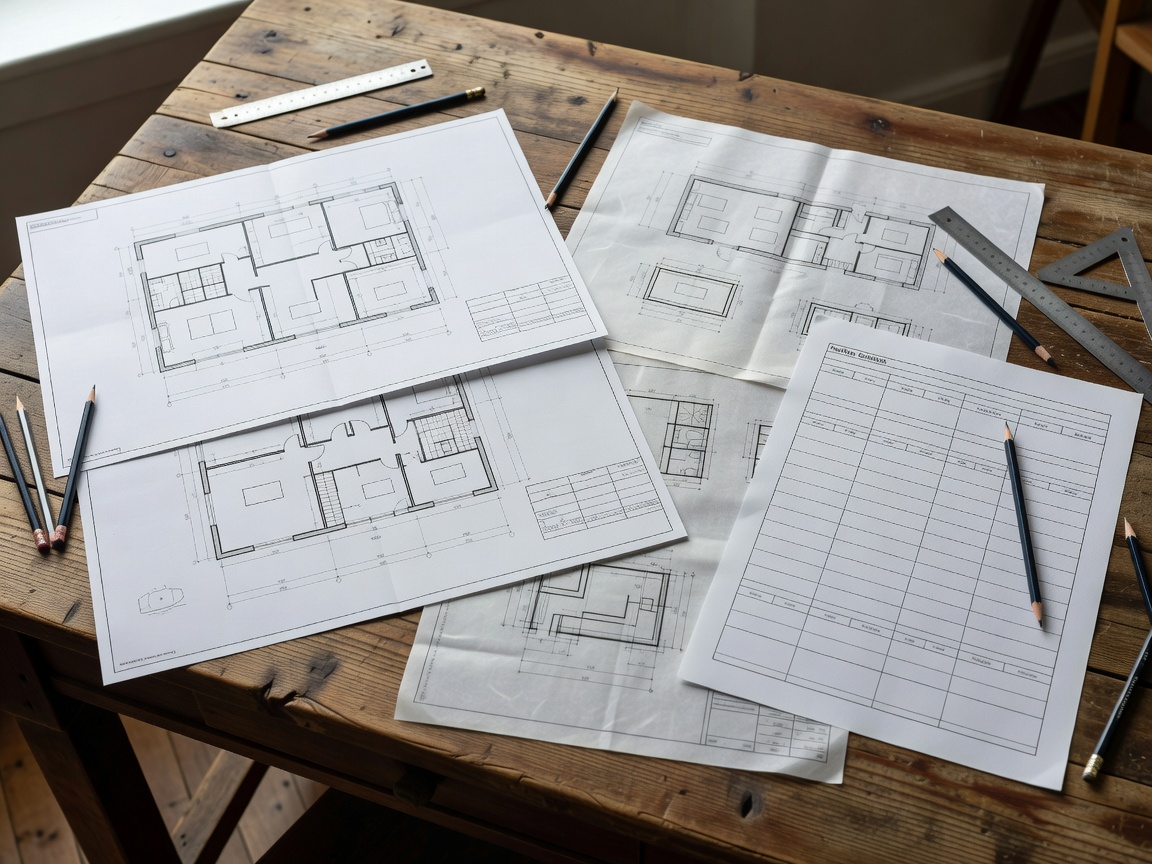
Why assemble disconnected contractors when you can choreograph an annual master schedule? Discover how forward planning stabilizes operating budgets and softens seasonal weather impacts.
Explore Facilities Planning
Regular, structured observational walkthroughs capture hairline expansion joints, damp penetration, and fire-door misalignments before they graduate into expensive repair tickets or safety concerns.
Read Inspection ProtocolsReal-world answers for commercial landlords, corporate tenants, and facilities supervisors.
At a baseline: a 52-week calendar broken into daily hygiene passes, monthly mechanical checks, quarterly envelope reviews (gutters, glazing seals, flashing), and semi-annual deep interventions. Without documented frequencies, routine tasks quietly drop off until something leaks.
Visual sweeps should happen monthly for primary circulation routes, fire exit paths, and entrance vestibules. External envelopes and plant room clearances sit comfortably on quarterly cycles unless extreme seasonal weather demands an extra pass.
Cleaning is execution: sanitizing desks, polishing terrazzo, and stocking supplies. Facilities coordination is the overarching operational nervous system—predicting consumable burn rates, tracking contractor liabilities, and managing physical asset lifespans.
Emergency call-outs on Sunday evenings incur premium surcharges, temporary patches, and tenant frustration. Budgeting 15% of annual facilities allowance toward structured preventative servicing consistently offsets emergency spend over multi-year cycles.
Share your building's location, square meterage, and current operational pain points. We provide transparent, structured proposals tailored to European office environments, mixed-use studios, and commercial headquarters.