Commercial Cleaning Coordination
Anyone can push a mop. True commercial cleaning coordination, however, is a silent operational rhythm balancing architectural surface protection, chemical compatibility, footfall peaks, and occupant wellbeing.
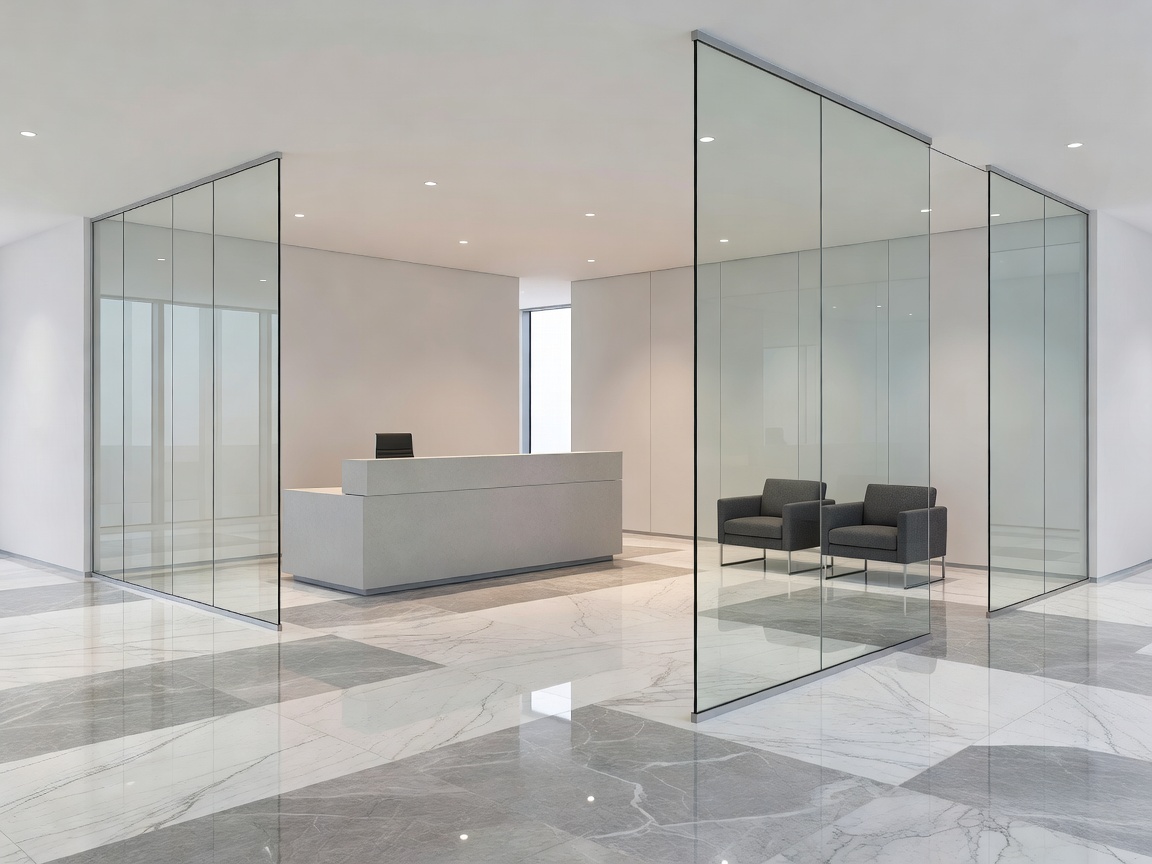
Cleaning by Zone: One Specification Never Fits All
A common error in commercial property care is issuing a blanket cleaning specification across an entire 2,500 m² floorplate. The executive boardroom used four hours a week requires completely different treatment than the ground-floor coffee lounge or the shared washroom block servicing eighty software engineers.
Effective building stewardship maps cleaning frequency and chemical usage directly to physical traffic intensity and surface sensitivity:
Entrances & Vestibules
Over 80% of building dirt enters on the soles of pedestrian shoes. Dual-zone walk-off matting, daily HEPA vacuuming, and neutral-pH wet mopping prevent grit from scratching polished terrazzo and micro-cement surfaces.
Washroom Core Facilities
Not merely cosmetic wipes: washrooms require disciplined quaternary ammonium disinfection, touchless sensor checks, descale protocols for European hard water, and scheduled midday top-up sweeps during high occupancy.
Pantry & Communal Kitchens
Food-contact hygiene standards, dishwasher rotation, grease-trap degreasing, and biological waste clearance. Daily sanitization of hot-water boiling taps, handles, and refrigerator seals prevents cross-contamination.
Scheduled vs. Responsive Cleaning Rotations
Commercial cleaning must operate on two distinct axes: predictable scheduled routines and agile responsive interventions.
Scheduled routines occur outside core working hours—either early mornings (05:30 to 08:30) or late evenings (18:30 to 21:30). This allows teams to operate industrial rotary scrubbers, polish architectural brass, and conduct deep carpet extraction without generating acoustic distractions for office workers.
Responsive cleaning, on the other hand, deals with the daily realities of human occupation: spilled flat whites in presentation suites, sudden slush dragged in during winter downpours, or washroom consumables running low by 14:00. Having a daytime janitorial presence—even for a two-hour midday reset—fundamentally changes the occupant experience.
| Property Type | Footfall Pattern | Recommended Cadence | Key Focus Area |
|---|---|---|---|
| Corporate Offices | Concentrated 08:30–18:00, Mon–Fri | 5x weekly evening + midday washroom sweep | Workstations, keyboard hygiene, air quality |
| Creative & Design Studios | Fluid hours, heavy visitor turnover | 3x weekly deep clean + weekend refresh | Spill management, communal kitchen, waste sorting |
| Medical & Allied Health Suites | Constant throughput, vulnerable patrons | Daily high-grade clinical sanitization | Surface contact dwell times, disposal protocols |
| Shared Commercial Atriums | Continuous pedestrian transit | Continuous day porter + nightly machine scrub | Floor slip-resistance, glass fingerprints, entry mats |
Seasonal Considerations for European Properties
European weather cycles impose sharp demands on building hygiene. From November through March, de-icing salt and grit create caustic white slurry that dulls stone floors and eats through carpet backings. Summer brings pollen coatings onto external glazing and increased organic waste decay rates in communal refuse stores.
A smart hygiene plan adjusts with the seasons: doubling entrance mat service intervals in autumn and ramping up glazing and acoustic louvre dusting in late spring.
Quality Assurance: The 5-Point Inspection Rubric
Never rely on subjective statements like "the office looks clean." We advocate structured visual and swab audits using a five-tier criterion:
- High-Touch Sanitization: Light switches, door latches, printer touchscreens, and elevator call buttons.
- Edge & Corner Detailing: Absence of gray mop-fringe lines along skirting boards and dust buildup under radiator fins.
- Glass & Surface Clarity: Smudge-free partition glass, polished stainless steel elevator cars, and clear desk dividers.
- Washroom Consumables & Odor: Full soap reservoirs, dry counter surfaces, and clean floor drains free from stagnant traps.
- Refuse Separation & Storage: Compliant municipal waste segregation without overflowing under-desk containers.
Formulating Your Cleaning Scope
Every building is unique. Factors influencing cleaning agreements include net cleanable floor area, floor finishes (limestone, engineered oak, epoxy, or carpet tile), washroom fixture density, and sustainability requirements such as eco-certified enzymatic detergents.
Inquire About Commercial Cleaning Systems